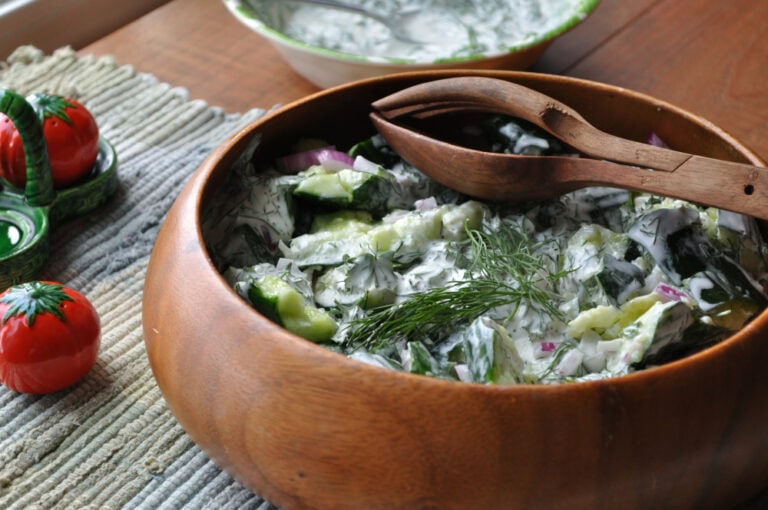
There’s something magical about a truly great salad. Not one that’s limp and watery. Not one where the lettuce seems tired before the dressing even hits it.
I’m talking about the kind of salad that practically crackles when you take a bite. Crisp lettuce. Tender herbs. Vibrant vegetables. Every bite fresh, juicy and alive.
The funny thing is, achieving that perfect crunch has very little to do with expensive ingredients or fancy equipment.
It starts with understanding the science of the plants themselves.
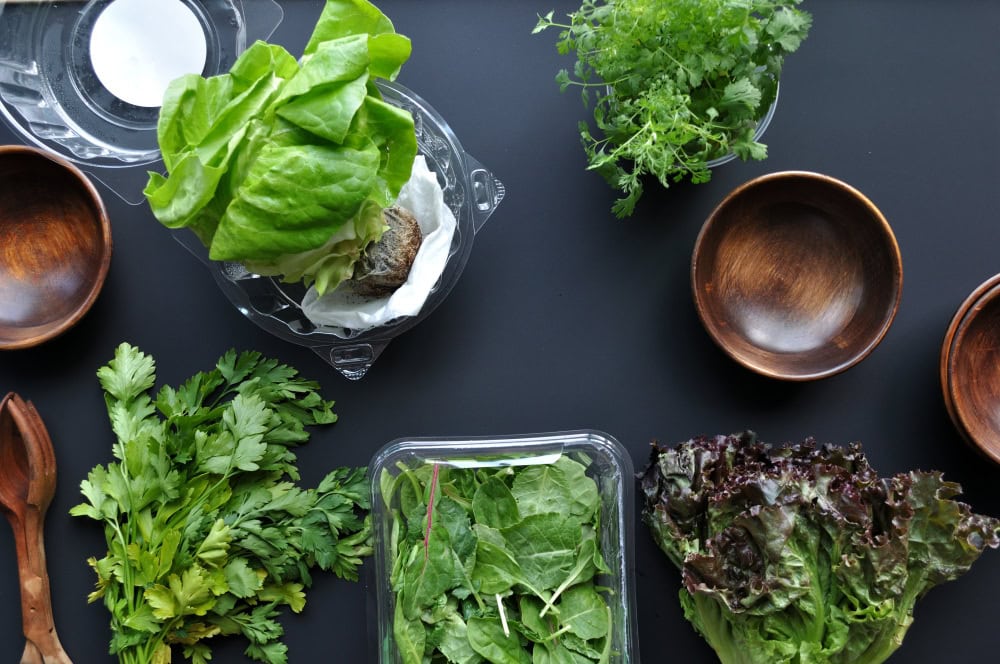
Why Salad Greens Go Limp
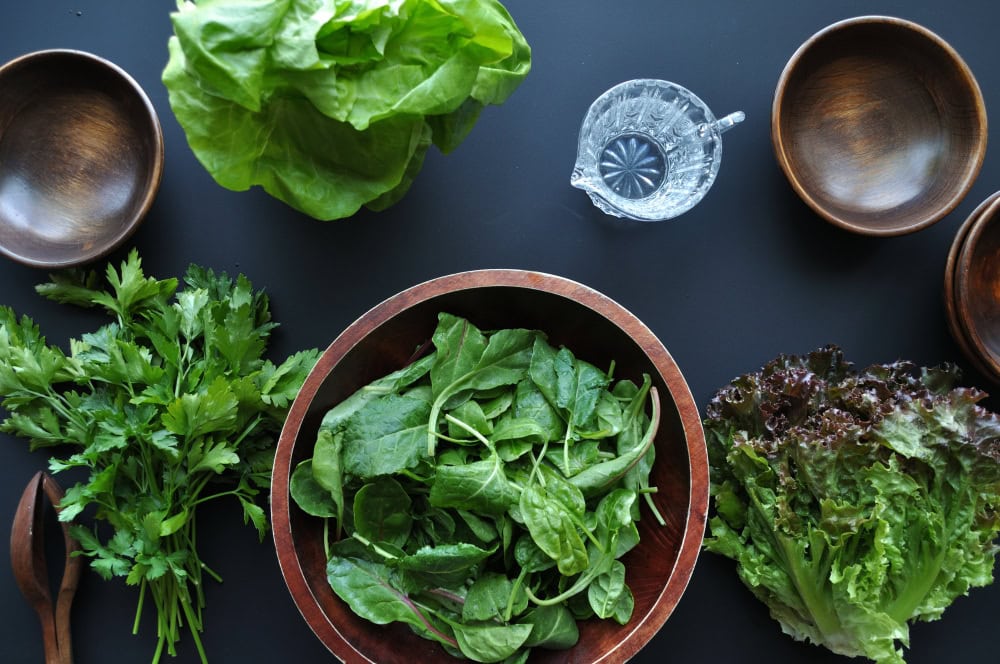
Leafy vegetables are mostly water. Lettuce, spinach, kale, arugula, Swiss chard, cabbage—even fresh herbs—depend on water pressure inside their cells to remain firm.
Scientists call this turgor pressure, but you don’t need to remember the term to understand the concept.
Imagine every plant cell as a tiny water balloon.
When it’s full of water, the balloon is firm. Millions of firm cells stacked together create crisp lettuce.
When water escapes those cells, the “balloons” soften. Leaves droop, edges curl, and your once-beautiful romaine suddenly looks like it’s had a very long day.
Water is constantly moving in and out of plant tissue. Once a vegetable is harvested, it no longer has roots pulling fresh moisture from the soil. Instead, it slowly loses water through evaporation.
That’s why fresh-picked lettuce from the garden is almost always crisp, while greens that have spent several days in the refrigerator often seem tired and lifeless.
How to Revive Cut Leafy Greens, Fast
The Refrigerator Problem
We refrigerate vegetables for good reason. Cold temperatures slow bacteria, reduce spoilage and extend shelf life.
But refrigeration comes with an unintended side effect. Modern refrigerators are surprisingly dry environments. They’re designed to remove humidity because moisture encourages mould and frost. While that’s great for food safety, it isn’t ideal for leafy vegetables.
Every hour your lettuce spends in the refrigerator, a little more moisture escapes.
Even produce sold in sealed plastic containers isn’t immune. Open the package and you’ll often notice wilted outer leaves or condensation that’s already been lost from the greens themselves.
This is why even perfectly fresh lettuce can seem disappointing after just a few days.

The Ice Water Myth
For decades, cooks have been taught the same advice:
“Soak your lettuce in ice water.”
It certainly seems logical.
Cold equals crisp, right?
Not exactly.
Ice water can make lettuce feel cold and temporarily firmer, but temperature isn’t the real solution.
The real goal is getting water back into the plant cells. Here’s where a little plant science changes everything.
How to Re-hydrate Redico and Heads of Lettuce
Why Tepid Water Works Better
Plant cells are surrounded by a flexible membrane. When vegetables are exposed to very cold water, that membrane becomes less flexible. Cell activity slows, and water moves more slowly through the tissue.
Tepid water—comfortably cool but not icy—allows those membranes to remain more flexible.
This encourages water to move back into dehydrated cells through osmosis, the natural movement of water from areas of higher concentration to lower concentration.
As the cells refill, they regain their internal pressure. The leaves literally plump back up. That’s where the crunch comes from. It’s not because the lettuce got colder.
It’s because it got hydrated.
Think about dry flowers placed in water. Within hours they stand upright again because their cells have filled with moisture. Lettuce works much the same way.
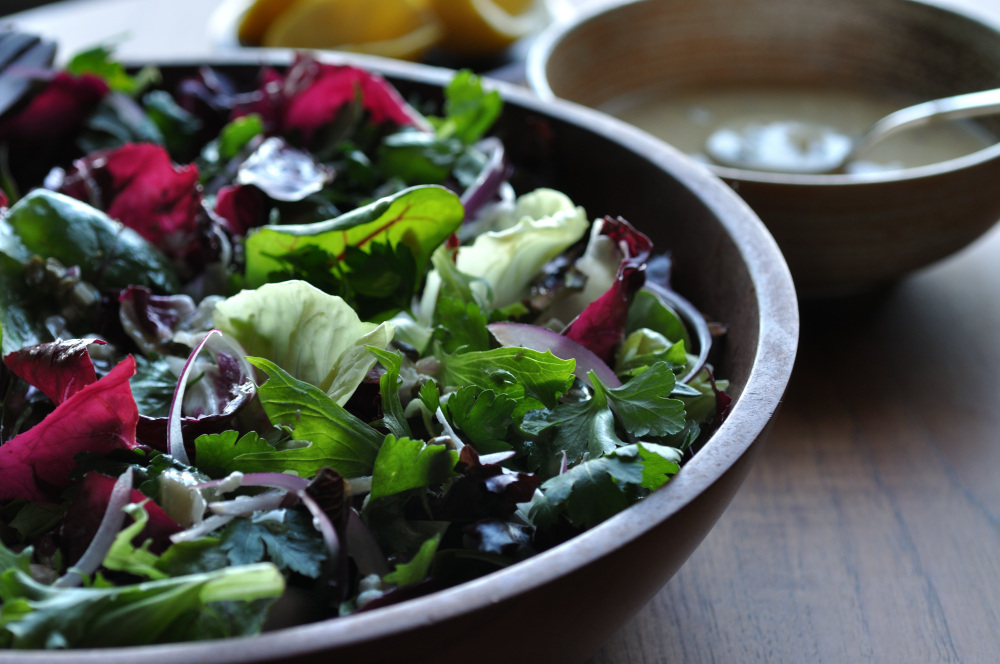
What Is the Best Temperature?
Forget the ice cubes. Instead, fill a large bowl or your clean sink with tepid water—roughly room temperature or just slightly cooler. If it feels comfortable on your skin, it’s probably perfect.
Separate the leaves so water can reach every surface.
Allow them to soak for about 15–30 minutes.
Very dehydrated greens may benefit from a little longer.
During that time the leaves absorb water and rebuild their natural structure.
Does This Work for Every Green?
Almost. Some vegetables respond dramatically, while others show more subtle improvements.
Excellent candidates include:
• Romaine lettuce
• Butter lettuce
• Leaf lettuce
• Iceberg lettuce
• Spinach
• Kale
• Swiss chard
• Arugula
• Radicchio
• Endive
• Escarole
• Fresh herbs like parsley, cilantro and dill
Even celery becomes noticeably crisper after soaking. Carrots and radishes also benefit if they’ve become slightly limp.
Why Drying Matters Just as Much
Hydrating your greens is only half the process. The second step is drying them thoroughly.
Water left clinging to lettuce dilutes salad dressing.
Instead of coating each leaf, the dressing slides away, leaving puddles at the bottom of the bowl.
Wet greens also bruise more easily and spoil faster in storage.
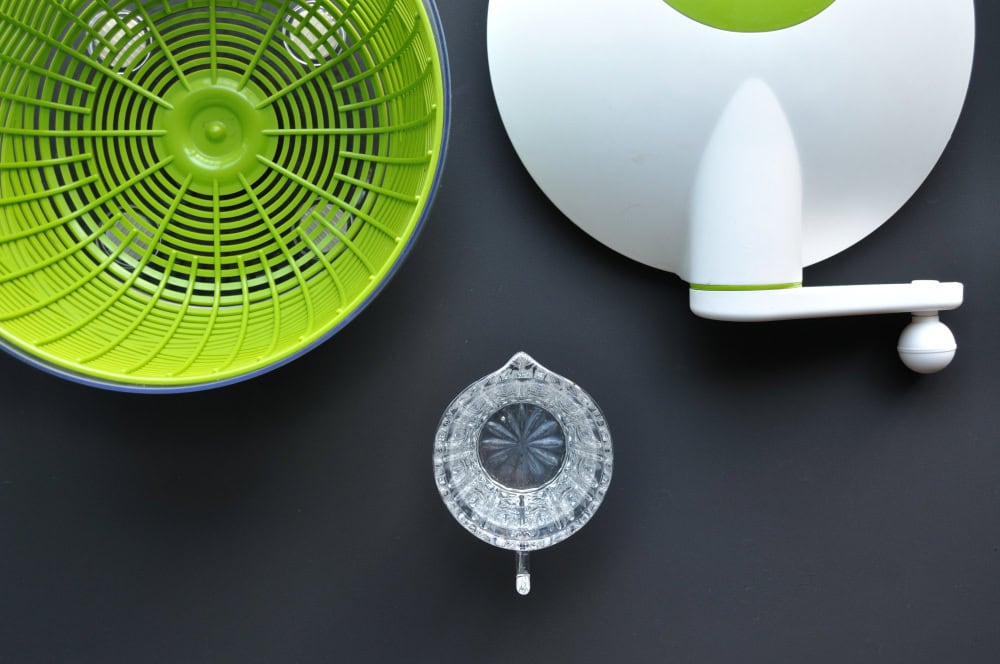
A salad spinner is one of the most useful kitchen tools you can own because it removes surface water without damaging delicate leaves.
No spinner?
Lay the greens on clean kitchen towels or paper towels and gently pat them dry.
Your vinaigrette will cling beautifully, and every bite will have balanced flavour instead of watery dressing.
Why Restaurant Salads Taste Better
Ever notice restaurant salads almost always seem fresher? It’s rarely because they have access to better lettuce.
Professional kitchens know how to handle produce. Many restaurants and catering companies wash greens immediately after delivery, hydrate them, spin them completely dry, then store them in breathable containers lined with towels.
This creates the perfect balance:
• Hydrated plant cells inside
• Dry leaf surfaces outside
The result is lettuce that stays crisp for days instead of hours.
It’s one of those behind-the-scenes techniques that quietly makes everything taste better.
The Science of Cutting Lettuce
Another surprising detail? How you cut your lettuce affects how long it stays fresh. Every cut damages plant cells.
A dull knife crushes the cells, causing them to release moisture and oxidize more quickly. A sharp knife creates cleaner cuts with less cellular damage. Even better, tear delicate lettuces by hand whenever possible.
Natural breaks between leaf fibres cause less damage than rough chopping.
That’s one reason beautifully torn salads often stay fresh longer.
When Reviving Won’t Work
Unfortunately, hydration can’t fix everything.
If greens are slimy, have brown translucent patches, smell unpleasant or are actively decomposing, no amount of soaking will restore them.
This technique only works when dehydration is the problem. Once the plant tissue begins breaking down from age or bacterial activity, it’s time for the compost bin.
Storing Greens for Maximum Freshness
After you’ve washed, hydrated and dried your lettuce, proper storage makes a huge difference.
Store greens in an airtight container lined with a clean kitchen towel or paper towel.
The towel absorbs excess moisture while maintaining a more stable humidity around the leaves.
Replace the towel if it becomes damp.
Avoid tightly compressing the greens, as trapped leaves bruise more easily and airflow is reduced.
Treat lettuce gently, and it will reward you with days of extra freshness.
A Small Change That Makes Every Salad Better
Cooking isn’t always about complicated techniques. Sometimes the biggest improvements come from understanding why ingredients behave the way they do.
Leafy greens aren’t just sitting in your refrigerator waiting to be eaten—they’re still living plant tissue, constantly responding to their environment.
Give them the water they need, at a temperature that helps them absorb it efficiently, and they’ll reward you with vibrant colour, incredible texture and that satisfying crunch every great salad deserves.
The next time your lettuce looks a little tired, skip the ice bath. Give it a warm welcome instead.
You might be surprised how alive it becomes.
Live long. Eat plants.